LLND Tools Explained: What ASQA Expects Under the 2025 Standards
-
October 12, 2026
-
538
An LLND tool is a structured resource RTOs use to assess a learner’s Language, Literacy, Numeracy and Digital skills before training begins. Under the 2025 Standards for RTOs, this assessment must happen before enrolment is finalised, not during induction. This is one of the most significant changes to LLND requirements, and it makes the timing of your assessment process just as important as the tool itself.
RTOs that treat LLND as a formality risk both poor learner outcomes and difficult audit conversations. This guide explains what LLND tools are, what the 2025 Standards actually require, and how to build a process that holds up under scrutiny.
What is an LLND tool?
An LLND tool is a structured method used to measure a learner’s current Language, Literacy, Numeracy and Digital skills before they start training. This measurement typically happens before enrolment is finalised, and it needs to be structured, documented and audit-ready.
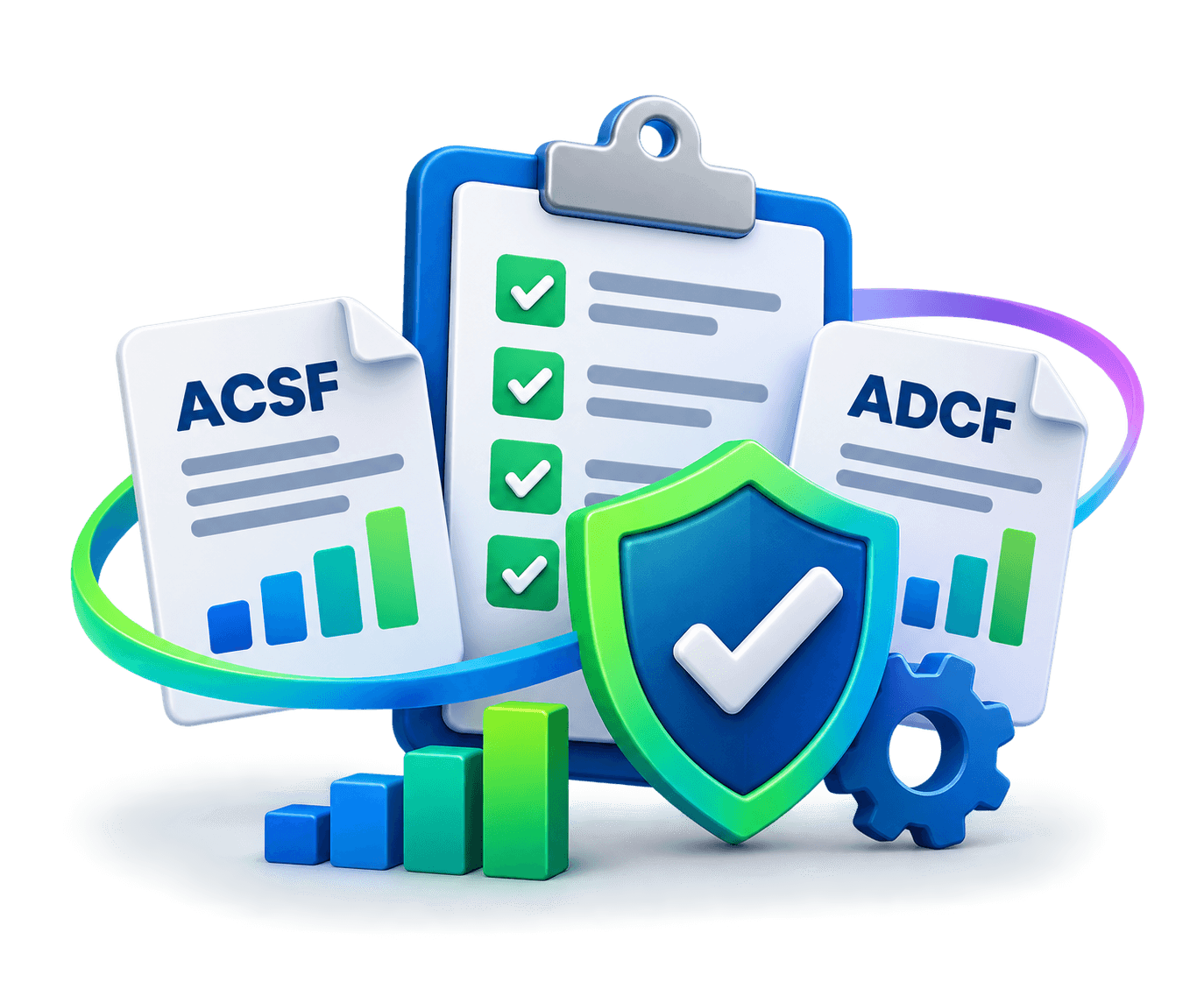
Most LLND tools map results against two national frameworks. The first is the Australian Core Skills Framework (ACSF), a tool that provides a common language for describing performance in five core skills: learning, reading, writing, oral communication and numeracy. The second is the Australian Digital Capability Framework (ADCF), which benchmarks a learner’s digital skills across several key focus areas.
Together, these frameworks give RTOs a consistent, nationally recognised way to place learners at the right skill level. Therefore, an LLND tool is not just a quiz. It is a compliance instrument that feeds directly into enrolment decisions, support planning and audit evidence.
Why does LLND assessment matter under the 2025 Standards?
LLND assessment matters because it protects both learners and providers. For learners, it identifies whether they have the foundation skills to complete a course before they invest time and money in it. For providers, it creates the evidence trail ASQA expects to see during monitoring activity.
The 2025 Standards for RTOs came into effect on 1 July 2025, replacing the 2015 Standards after an extensive, multi-year consultation process. The Department of Employment and Workplace Relations worked with states, territories, regulators and sector peak bodies for more than four years to strengthen the focus on quality outcomes for learners and employers. As a result, LLND assessment is no longer treated as a background administrative task. It sits at the front line of an RTO’s outcome-based obligations.
The stakes are real. Preliminary PIAAC research found that around 44 per cent of adult Australians scored in the lowest two bands for literacy, while 55 per cent scored in the lowest two bands for numeracy. A national study updating this picture is currently underway, with key findings expected in mid-2026. In other words, a meaningful share of your learner cohort may need support you won’t identify without a proper LLND process.
What does ASQA actually require for LLND under the 2025 Standards?
ASQA’s expectations under the 2025 Standards centre on three things: timing, evidence and digital inclusion.

Timing.
LLND assessment must now be completed before enrolment is finalised, rather than after a student has already started their course. An informal chat during orientation no longer satisfies this requirement.

Digital literacy.
Digital literacy is now a formal part of LLND, sitting alongside language, literacy and numeracy, rather than being treated as an optional extra. This ensures learners can effectively engage with technology-based training and workplace practices, not just the paper-based components of a course.
Evidence and alignment.
ASQA expects tools that are validly and reliably mapped to the ACSF and ADCF, so results are consistent and defensible. Choosing ACSF- and ADCF-aligned LLND assessment tools helps ensure results are accurate and nationally consistent across training programs.

It’s worth defining a few terms here. ASQA (the Australian Skills Quality Authority) is Australia’s national regulator for most VET providers. DEWR (the Department of Employment and Workplace Relations) is the government department responsible for the policy behind the Standards. Together, they set the rules RTOs operate under and the outcomes providers are expected to demonstrate.
How does an LLND assessment tool work in practice?
An LLND process generally follows four steps.
- Pre-enrolment screening. The learner completes a structured LLND tool before their enrolment is confirmed, covering reading, writing, numeracy and digital skills.
- Benchmarking against frameworks. Results are mapped to ACSF levels for literacy and numeracy, and ADCF levels for digital capability.
- Decision and documentation. The RTO records whether the learner can proceed, needs additional support, or requires referral elsewhere.
- Support planning. Where gaps are identified, the RTO builds targeted support into the training plan, rather than leaving the learner to struggle silently.
Many RTOs now use digital LLND tools that automate scoring and reporting. This reduces manual error and creates a consistent, timestamped audit trail, which is exactly what ASQA looks for during monitoring visits.
What should you look for when choosing an LLND tool?
Not every LLND product on the market will hold up under audit. Look for the following:
- Framework alignment. Confirm the tool maps explicitly to the ACSF and ADCF, not an outdated or informal scale.
- Pre-enrolment delivery. The tool must be deployable before enrolment is finalised, not just before induction.
- Digital literacy coverage. Make sure digital skills are assessed as a core component, not bolted on as an afterthought.
- Reporting and audit trail. Choose a tool that produces clear, dated, exportable reports for each learner.
- Industry contextualisation. The best tools reflect the real-world tasks of your training package, such as interpreting timetables or completing workplace forms.
What are the benefits of using an LLND tool?
- Stronger completion rates, because learners are placed at the right level from the start.
- Reduced audit risk, since documented, framework-aligned evidence is readily available.
- Better learner support, because gaps are identified early rather than discovered mid-course.
- Improved trainer efficiency, as automated tools save time compared with manual assessment.
- Consistent national benchmarking, since ACSF and ADCF alignment means results are comparable across providers.
What challenges should you consider?
LLND assessment isn’t without its difficulties. RTOs commonly report time pressure, inconsistent tool quality, and difficulty engaging learners who feel anxious about being “tested.”
However, these challenges are manageable. Using digital tools that automate marking and reporting, and integrating LLND assessment into pre-training activities, can save significant time without compromising rigour. Additionally, framing the assessment as a support tool rather than a pass/fail test tends to improve learner engagement and honesty in responses.
Another challenge is keeping pace with regulatory change. Since the 2025 Standards moved LLND timing earlier in the enrolment journey, RTOs relying on legacy processes may find their systems no longer align. Therefore, a periodic review of your LLND process against current ASQA guidance is essential.
What are the best practices for LLND tools under the 2025 Standards?
- Assess before enrolment is finalised, not after the learner has started.
- Use ACSF- and ADCF-aligned tools rather than generic literacy quizzes.
- Embed digital literacy as a standard, not optional, assessment component.
- Document every decision, including outcomes, support offered and referrals made.
- Review and refine regularly, since fostering a culture of continuous improvement helps LLND processes stay aligned with evolving learner needs.
- Train your staff, since trainers need to understand how to interpret ACSF and ADCF results, not just administer the tool.
Common mistakes to avoid
- Leaving LLND assessment until induction or after training starts.
- Using an outdated tool that isn’t mapped to the ACSF or ADCF.
- Treating digital literacy as optional rather than a core LLND component.
- Failing to document outcomes in a way that’s audit-ready.
- Assuming a single generic tool suits every training package, regardless of industry context.
- Not following up when a learner is flagged as needing additional support.
Frequently Asked Questions
1. What does LLND stand for?
LLND stands for Language, Literacy, Numeracy and Digital. It refers to the foundation skills a learner needs to successfully participate in and complete vocational training, and it’s now a mandatory pre-enrolment assessment area under the 2025 Standards.
2. When must LLND assessment happen under the 2025 Standards?
LLND assessment must be completed before enrolment is finalised. This is a shift from previous practice, where some RTOs assessed learners during induction or early in their course rather than beforehand.
3. Is digital literacy really compulsory now?
Yes. Under the 2025 Standards, digital literacy sits alongside language, literacy and numeracy as a formal, required component of LLND assessment, rather than an optional add-on.
4. What frameworks should an LLND tool align to?
A tool should map results to the Australian Core Skills Framework (ACSF) for literacy and numeracy, and the Australian Digital Capability Framework (ADCF) for digital skills.
5. Can RTOs use a single generic LLND tool for all courses?
Generic tools can work as a starting point, but contextualising assessment tasks to reflect the actual demands of a training package produces more accurate, defensible results.
6. What happens if a learner doesn't meet the required LLND level?
The RTO should offer additional support, adjust the training plan, or refer the learner to a foundation skills program, depending on the size of the gap identified.
7. Do LLND results need to be documented for audit purposes?
Yes. ASQA expects clear, dated evidence showing that assessment occurred before enrolment, what the outcome was, and what action the RTO took as a result.
8. Are digital LLND tools better than paper-based ones?
Digital tools generally offer faster scoring, more consistent reporting and an easier audit trail, though the right choice depends on your learner cohort and delivery mode.
Conclusion
LLND tools are no longer a background compliance task. Under the 2025 Standards, they are a front-line requirement that shapes enrolment, support planning and audit readiness. RTOs that assess before enrolment, use ACSF- and ADCF-aligned tools, and document outcomes clearly will be well placed to meet ASQA’s expectations.
The key takeaway is simple: timing and framework alignment now matter as much as the assessment content itself. As a next step, review your current LLND process against the 2025 Standards and confirm your tool is assessing digital literacy as a core, not optional, component.
Related posts
SCORM vs Non-SCORM: Choosing E-Learning Resources for Your RTO’s LMS
For most Australian RTOs, SCORM remains the safer default: it’s the most widely supported e-learning
The Complete Guide to Contextualising Purchased RTO Resources Without Breaking Compliance
Contextualising purchased RTO resources means adapting off-the-shelf learning and assessment materials
Understanding Qualification Packs: A Guide for RTOs to Enhance Training and Assessment Standards
If you work in Australia’s VET sector, you’ve likely heard the term Qualification Packs —
RTO Scope of Registration: How to Add Qualifications and Units in Australia
Introduction For an Australian RTO, adding a qualification, accredited course, or standalone unit to
How to Complete Your Annual Declaration on Compliance
Introduction If you’re an RTO in Australia, the Annual Declaration on Compliance isn’t optional
Validation Isn’t Just About Improving Assessment. It’s About Improving Assessors.
For years, we’ve talked about validation as though its primary purpose is to improve assessment

Leave a comment